


-

Add: HeBei ShengShi HongBang Cellulose Technology CO.,LTD.
-

Email
13180486930@163.com -

CONTACT US
+86 13180486930




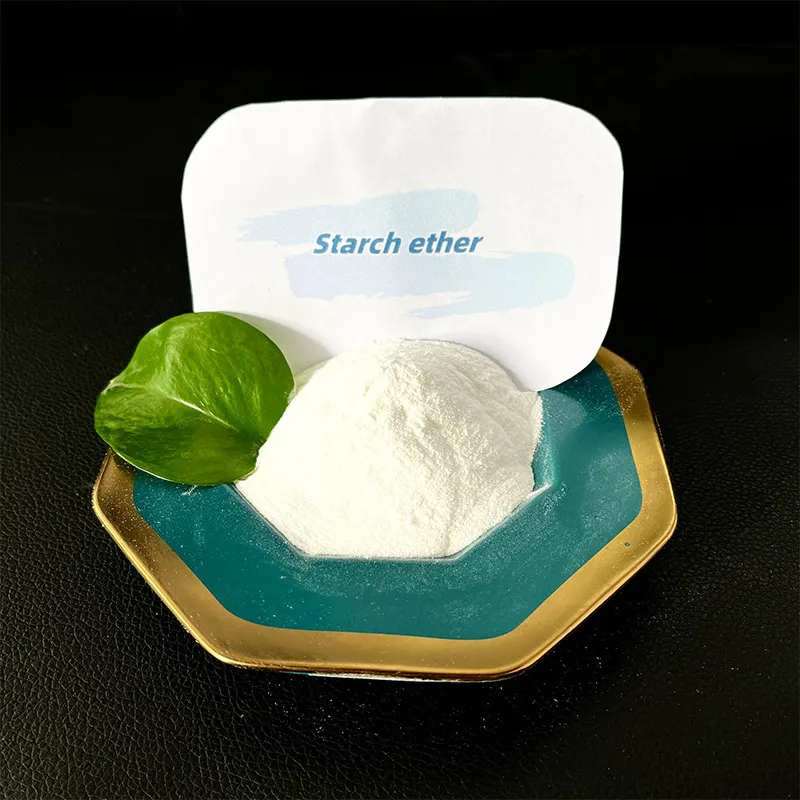
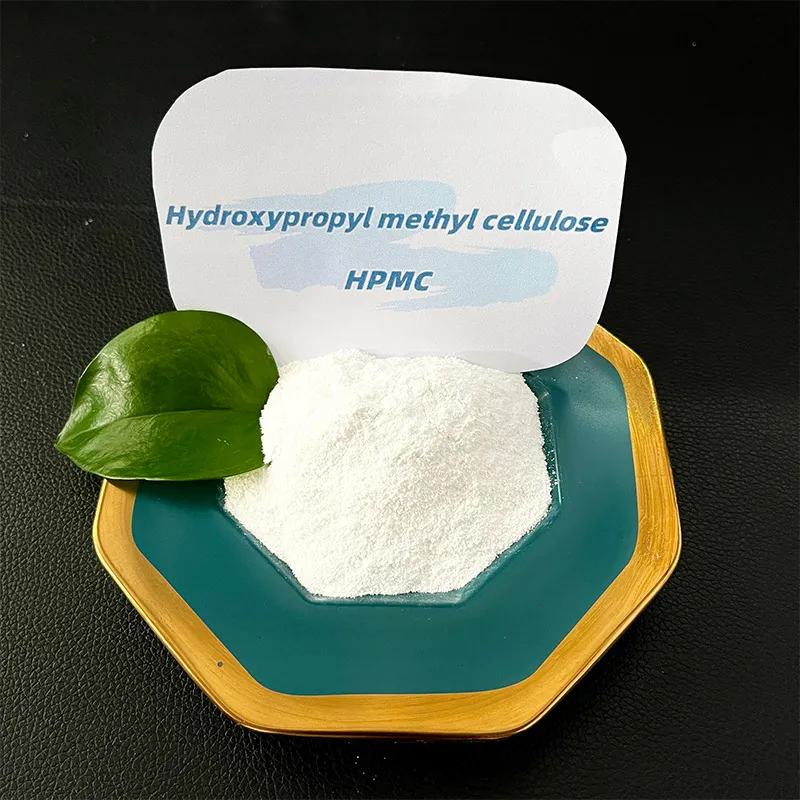


Exploring HPMC E15 A Versatile Excipient in Pharmaceutical Applications Hydroxypropyl Methylcellulose (HPMC) is widely acknowledged in the pharmaceutical industry for its multifunctional properties. Among its various grades, HPMC E15 has gained prominence due to its unique characteristics, making it an essential excipient in various dosage forms. This article delves into the composition, characteristics, applications, and advantages of HPMC E15 in pharmaceutical formulations. Composition and Characteristics HPMC is a semi-synthetic polymer derived from cellulose, a natural polymer found in plant cell walls. The E15 designation refers specifically to a grade with a viscosity of 15,000 centipoise when dissolved in water. This viscosity is conducive for many applications, as it provides a balanced option between solubility and gel-forming ability. HPMC E15 exhibits several critical characteristics, such as high thermal stability, excellent compatibility with a variety of active pharmaceutical ingredients (APIs), and non-ionic nature. This non-ionic behavior makes it an attractive choice for formulations where ionic interactions may affect the stability or solubility of components. Furthermore, HPMC E15 is soluble in cold and hot water, allowing for flexibility in formulation processes. Applications in Pharmaceutical Formulations HPMC E15 plays a multifaceted role in various pharmaceutical applications. One of its primary uses is as a film-forming agent in sustained-release formulations. Due to its gel-forming properties upon contact with moisture, it can control the release profile of APIs, thereby ensuring a prolonged therapeutic effect. This is especially beneficial in developing dosage forms for chronic conditions that require steady medication levels. Moreover, HPMC E15 serves as a thickening agent and stabilizer in suspensions and emulsions. It enhances the viscosity of formulations, preventing sedimentation of solid particles and enabling uniform dispersion. This is particularly crucial for ensuring consistent dosages in liquid formulations. By improving the stability of suspensions, HPMC E15 contributes significantly to the overall efficacy and safety of the product. hpmc e15 In tablet formulations, HPMC E15 functions as a binder and a disintegrant. Its hydrophilic nature allows it to absorb water readily, facilitating the disintegration of tablets upon ingestion. This characteristic is vital for fast-dissolving tablets, where rapid release and absorption are desired. Additionally, HPMC E15 is employed in ocular formulations, as its viscosity and bioadhesive properties help prolong the contact time of the drug with the eye's surface. This is particularly beneficial in treating dry eye syndrome and other ocular conditions, ensuring that the medication remains in contact with the target site for an extended period. Advantages of HPMC E15 The utilization of HPMC E15 in pharmaceutical formulations offers several advantages. Firstly, its wide-ranging solubility makes it suitable for a variety of formulations, catering to the diverse needs of patients. Secondly, its biodegradable nature aligns with the growing demand for sustainable excipients in pharmaceutical manufacturing. Furthermore, HPMC E15 is generally regarded as a safe compound, with minimal toxicity associated with its use. This safety profile encourages its adoption in various pharmaceutical applications, ranging from over-the-counter medications to prescription drugs. Lastly, HPMC E15 allows for enhanced patient compliance. The formulations utilizing HPMC tend to exhibit improved mouthfeel and taste masking properties, which contribute to a better overall experience for patients. Conclusion HPMC E15 stands out as a versatile excipient in the pharmaceutical industry, demonstrating significant benefits across various applications. Its unique properties and advantages make it an essential component in the development of effective, safe, and patient-friendly formulations. As the pharmaceutical landscape continues to evolve, the importance of reliable excipients like HPMC E15 will remain paramount, ensuring that patients receive optimal therapies tailored to their specific health needs. The ongoing research and development of HPMC E15 promise to unveil new potentials, driving innovation in pharmaceutical formulations for years to come.
- 40000tons

Production
- 20+years

Experience
- 5000+㎡

Acreage

-
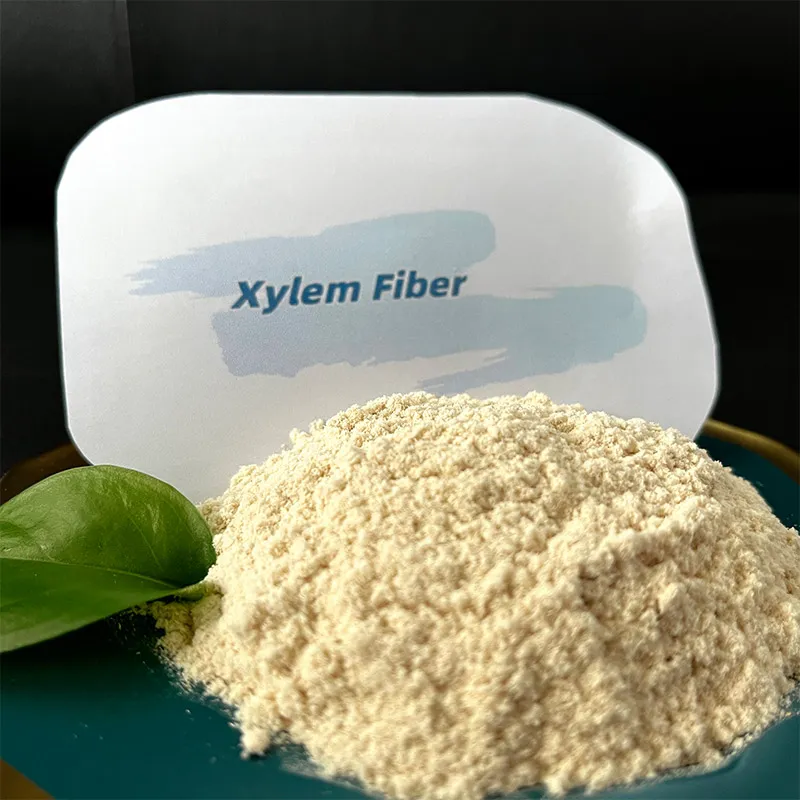
Plastering retarders, essential additives in the construction industry, have revolutionized how builders and contractors approach plaster application. These compounds, though small in volume, play a crucial role in enhancing the efficiency and quality of plastering projects. Here we delve into the significance, application, and benefits of using plastering retarders, backed by professional insights and industry expertise. Understanding the Role of Plastering Retarders Plastering retarders are chemical additives designed to slow the setting process of gypsum plaster. This controlled setting time allows for extended workability and ensures that the plaster remains pliable for longer durations. This becomes particularly beneficial in large-scale projects where complex surfaces require meticulous application without the pressure of rapid drying. The Expertise Behind Plastering Retarders The development of plastering retarders involves a blend of chemistry and construction technology. Experts in the field understand the delicate balance needed to decelerate the chemical reaction of plaster without compromising its structural integrity. The formulation process involves rigorous testing and quality assurance to meet the specific demands of different environmental conditions and project requirements. Benefits of Using Plastering Retarders 1 . Enhanced Workability By providing additional time for application, plastering retarders offer contractors the flexibility to achieve smooth, even surfaces. This is critical in enhancing the aesthetic and functional qualities of interior and exterior walls. 2. Reduction of Waste With elongation in setting time, plaster wastage is minimized. This is both cost-effective and environmentally friendly, making it an attractive option for sustainable construction practices. plastering retarder 3. Improved Structural Integrity Proper application and curing of plaster via retarders can result in fewer cracks and defects. This ensures a durable and lasting finish that meets and exceeds standard quality benchmarks. 4. Versatility Across Projects Whether in residential, commercial, or industrial settings, plastering retarders can be customized to align with the specific needs of each project, accommodating varying climatic and surface conditions. Real-Life Application of Plastering Retarders A case study involving a large commercial project illustrates the practical benefits of using plastering retarders. In this scenario, a team of contractors faced the challenge of plastering an expansive, intricate facade under high-temperature conditions. With the strategic use of plastering retarders, the team successfully managed to extend the setting time, allowing them to execute the plastering with precision. The quality of the finished surface was exemplary, demonstrating superior smoothness and consistency, which significantly enhanced the visual appeal and durability of the building. Building Trust Through Quality The importance of using reputable products cannot be overstated. It is paramount to choose plastering retarders from established manufacturers known for their quality and reliability. Trusted brands provide not just a product, but a comprehensive support system that includes product information, safety data, and technical assistance to ensure optimal application and results. Conclusion Plastering retarders serve as a testament to the advancements in construction technology, offering solutions that bridge efficiency, quality, and sustainability. For construction professionals, understanding and utilizing these additives can lead to significant improvements in project outcomes. By leveraging the strategic application of plastering retarders, contractors can ensure high-quality finishes that stand the test of time while maintaining economic and environmental balance. As the industry continues to evolve, the adoption of such innovative solutions will likely play an increasingly pivotal role in shaping modern construction landscapes.
-
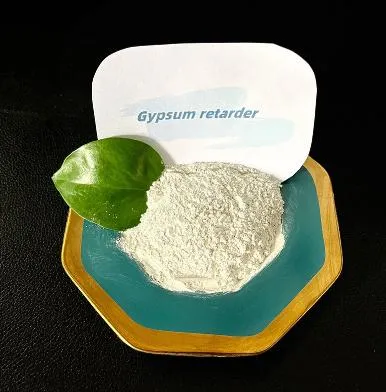
Starch ether is an essential additive in many modern construction materials, offering superior performance and a range of benefits that enhance the properties of cement, mortar, and other construction mixtures. As a versatile and eco-friendly component, starch ether helps improve workability, water retention, and adhesion, making it the perfect choice for enhancing construction materials. Whether you're working with concrete, plaster, or adhesive formulations, starch ether is the reliable solution to ensure the quality and durability of your projects. Its wide applications in construction make it a must-have ingredient for achieving better results. Starch Ether for Construction: Improving Performance and Efficiency In the construction industry, starch ether for construction has become increasingly popular due to its numerous benefits. It serves as a highly effective thickening agent, enhancing the consistency and flow of materials, which helps in achieving optimal workability. Starch ether for construction also improves water retention, ensuring that your mixtures stay moist longer and work smoothly, even in challenging conditions. This makes it an excellent choice for a variety of construction applications, from plasters and adhesives to grouts and mortars. Using starch ether for construction ensures that your materials perform at their best, delivering lasting results and cost-effective solutions. The Role of Starch Ether in Tile Adhesive Starch ether in tile adhesive plays a crucial role in improving the bonding strength and overall performance of the adhesive. When added to tile adhesives, starch ether enhances their water retention, allowing the adhesive to stay workable for a longer period. This ensures a stronger bond between the tile and substrate, reducing the chances of tile slipping or detaching. Starch ether in tile adhesive also improves the adhesive’s flexibility, making it more resistant to cracking under stress. Whether you're laying tiles in a bathroom, kitchen, or flooring, starch ether is the secret ingredient for achieving a more reliable, durable, and efficient adhesive solution. Understanding Starch Ether Price: Cost-Effective Solutions for Your Projects When considering starch ether price , it's important to focus not only on the cost per unit but also on the long-term value it brings to your construction projects. The starch ether price can vary depending on the quality, quantity, and supplier, but it is generally an affordable ingredient when compared to other additives. Despite its competitive price, starch ether provides significant performance benefits, such as improved workability, water retention, and adhesion. By incorporating starch ether into your construction materials, you’ll benefit from high-quality results at an affordable price, making it a smart investment for any project. Why Choose Our Starch Ether for Your Construction Applications? Our starch ether products are designed to meet the highest industry standards, ensuring superior performance for all your construction needs. Whether you need starch ether for construction or starch ether in tile adhesive , we offer a wide range of high-quality, eco-friendly solutions tailored to meet the specific demands of your projects. With our competitive starch ether price s, we provide affordable, effective, and reliable additives that enhance the quality of your materials. Trust us to supply you with the best starch ether to improve the strength, durability, and workability of your construction products. Starch Ether FAQs What is starch ether used for in construction? Starch ether is widely used in construction for its ability to improve the workability, water retention, and adhesion of various materials. It is commonly added to cement-based products like plaster, mortar, and tile adhesives. Starch ether helps make these materials more stable and easier to apply, ensuring better performance and longer-lasting results. How does starch ether improve tile adhesive? Starch ether in tile adhesive enhances its performance by improving water retention and extending its workability time. This ensures a stronger bond between tiles and surfaces, reducing the risk of tiles slipping or detaching. Additionally, starch ether improves the flexibility of the adhesive, making it more resistant to cracking, especially in areas subjected to movement or stress. Is starch ether eco-friendly? Yes, starch ether is considered eco-friendly because it is derived from natural starch sources, such as corn or tapioca. It is biodegradable, non-toxic, and safe for use in a wide range of applications, making it an environmentally responsible choice for the construction industry. As demand for sustainable materials increases, starch ether is becoming a popular alternative to synthetic additives. What factors affect the starch ether price? The starch ether price can vary depending on factors like the quality of the product, the source of the starch, and the quantity purchased. Generally, bulk purchases can help lower the cost per unit. Additionally, the complexity of the manufacturing process and any additional features or specifications required for your project can influence the starch ether price . Why should I choose your starch ether for my construction projects? Our starch ether products are manufactured to the highest standards, offering excellent performance in improving the workability, adhesion, and durability of construction materials. We offer a range of starch ether for construction applications, including starch ether in tile adhesive , all at competitive starch ether price s. With our products, you can ensure superior quality, cost-effective solutions, and lasting results for your construction projects.
advantages
-

200000 Viscosities
Excellent product
We can produce pure products up to 200,000 viscosities
-

40000 tons
High yield
We don’t stop production all year round, and the annual output can reach 40,000 tons
-

24 hours
Quality service
We provide 24-hours online reception service, welcome to consult at any time
———— Inquiry Form
Schedule A services

-
 hpmc_e_number
Oct . 25, 2025
Navigating the complex world of synthetic fibres involves understanding their multifaceted applicati -
 colored_polymer_powder
Oct . 25, 2025
The Impact of HPMC E5 LV in Various Industries Hydroxypropyl Methylcellulose (HPMC) is a versatile a -
 fibre_de_polypropylene_a_vendre
Oct . 25, 2025
The Versatile Uses of Hydroxypropyl Methylcellulose Hydroxypropyl methylcellulose (HPMC) is a synthe


